VÅRA FÅR
Här kan du lära känna hela vår flock av Valais Blacknose. Varje individ har sin egen personlighet och historia – alla är lika älskade och vissa är till salu.
Kontakta oss ifall du vill veta mer!
Våra flockmedlemmar
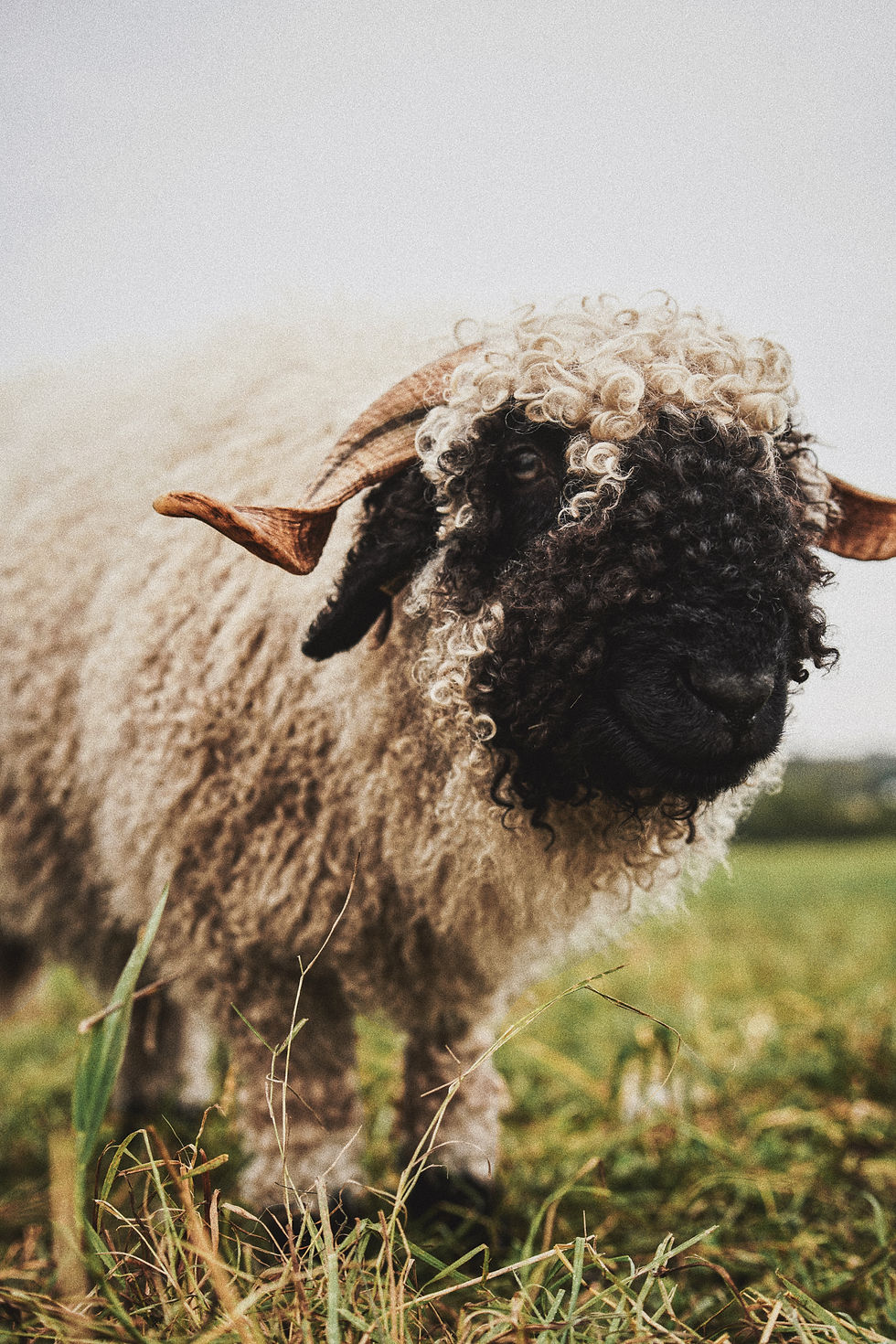
The Wallis Blacknose sheep are identified by their black faces combined with soft white wool, and the spiral horns found in both sexes. The Valais Blacknose, as the breed is also called, has a long history that probably dates back to the 15th century. The breed comes from Switzerland and is known for its ability to withstand harsh climatic and environmental conditions.
Twice a year the sheep are sheared. Once in the spring and once in the fall. Between shearings, the wool has time to grow up to 30 cm long.


The Wallis Blacknose sheep are identified by their black faces combined with soft white wool, and the spiral horns found in both sexes. The Valais Blacknose, as the breed is also called, has a long history that probably dates back to the 15th century. The breed comes from Switzerland and is known for its ability to withstand harsh climatic and environmental conditions.
Twice a year the sheep are sheared. Once in the spring and once in the fall. Between shearings, the wool has time to grow up to 30 cm long.
The Wallis Blacknose sheep are identified by their black faces combined with soft white wool, and the spiral horns found in both sexes. The Valais Blacknose, as the breed is also called, has a long history that probably dates back to the 15th century. The breed comes from Switzerland and is known for its ability to withstand harsh climatic and environmental conditions.
Twice a year the sheep are sheared. Once in the spring and once in the fall. Between shearings, the wool has time to grow up to 30 cm long.
The Wallis Blacknose sheep are identified by their black faces combined with soft white wool, and the spiral horns found in both sexes. The Valais Blacknose, as the breed is also called, has a long history that probably dates back to the 15th century. The breed comes from Switzerland and is known for its ability to withstand harsh climatic and environmental conditions.
Twice a year the sheep are sheared. Once in the spring and once in the fall. Between shearings, the wool has time to grow up to 30 cm long.

The Wallis Blacknose sheep are identified by their black faces combined with soft white wool, and the spiral horns found in both sexes. The Valais Blacknose, as the breed is also called, has a long history that probably dates back to the 15th century. The breed comes from Switzerland and is known for its ability to withstand harsh climatic and environmental conditions.
Twice a year the sheep are sheared. Once in the spring and once in the fall. Between shearings, the wool has time to grow up to 30 cm long.
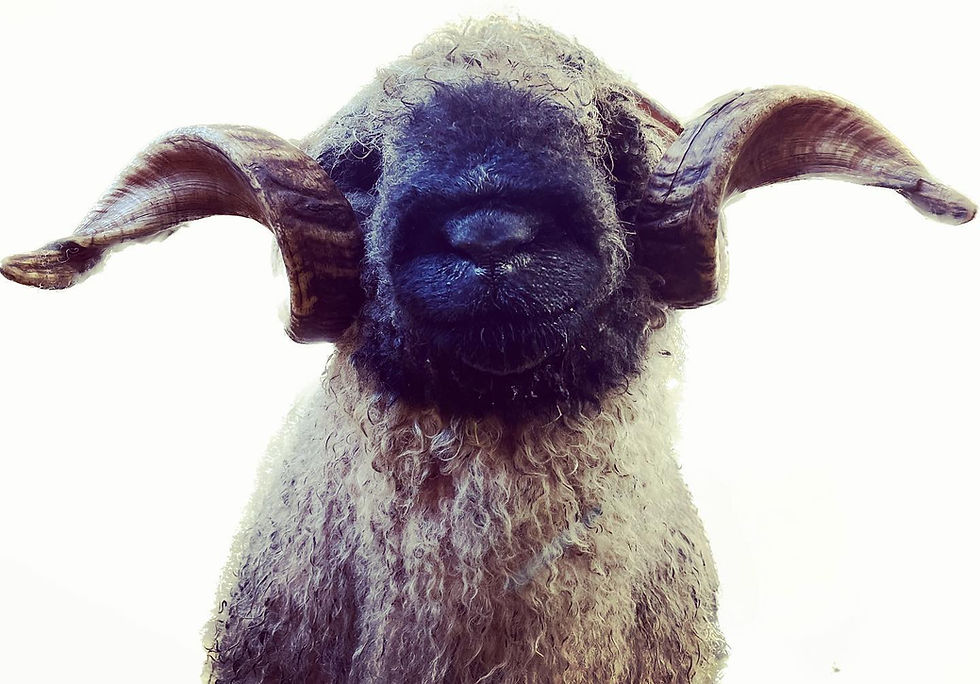
The Wallis Blacknose sheep are identified by their black faces combined with soft white wool, and the spiral horns found in both sexes. The Valais Blacknose, as the breed is also called, has a long history that probably dates back to the 15th century. The breed comes from Switzerland and is known for its ability to withstand harsh climatic and environmental conditions.
Twice a year the sheep are sheared. Once in the spring and once in the fall. Between shearings, the wool has time to grow up to 30 cm long.

The Wallis Blacknose sheep are identified by their black faces combined with soft white wool, and the spiral horns found in both sexes. The Valais Blacknose, as the breed is also called, has a long history that probably dates back to the 15th century. The breed comes from Switzerland and is known for its ability to withstand harsh climatic and environmental conditions.
Twice a year the sheep are sheared. Once in the spring and once in the fall. Between shearings, the wool has time to grow up to 30 cm long.

The Wallis Blacknose sheep are identified by their black faces combined with soft white wool, and the spiral horns found in both sexes. The Valais Blacknose, as the breed is also called, has a long history that probably dates back to the 15th century. The breed comes from Switzerland and is known for its ability to withstand harsh climatic and environmental conditions.
Twice a year the sheep are sheared. Once in the spring and once in the fall. Between shearings, the wool has time to grow up to 30 cm long.

The Wallis Blacknose sheep are identified by their black faces combined with soft white wool, and the spiral horns found in both sexes. The Valais Blacknose, as the breed is also called, has a long history that probably dates back to the 15th century. The breed comes from Switzerland and is known for its ability to withstand harsh climatic and environmental conditions.
Twice a year the sheep are sheared. Once in the spring and once in the fall. Between shearings, the wool has time to grow up to 30 cm long.

The Wallis Blacknose sheep are identified by their black faces combined with soft white wool, and the spiral horns found in both sexes. The Valais Blacknose, as the breed is also called, has a long history that probably dates back to the 15th century. The breed comes from Switzerland and is known for its ability to withstand harsh climatic and environmental conditions.
Twice a year the sheep are sheared. Once in the spring and once in the fall. Between shearings, the wool has time to grow up to 30 cm long.
The Wallis Blacknose sheep are identified by their black faces combined with soft white wool, and the spiral horns found in both sexes. The Valais Blacknose, as the breed is also called, has a long history that probably dates back to the 15th century. The breed comes from Switzerland and is known for its ability to withstand harsh climatic and environmental conditions.
Twice a year the sheep are sheared. Once in the spring and once in the fall. Between shearings, the wool has time to grow up to 30 cm long.
The Wallis Blacknose sheep are identified by their black faces combined with soft white wool, and the spiral horns found in both sexes. The Valais Blacknose, as the breed is also called, has a long history that probably dates back to the 15th century. The breed comes from Switzerland and is known for its ability to withstand harsh climatic and environmental conditions.
Twice a year the sheep are sheared. Once in the spring and once in the fall. Between shearings, the wool has time to grow up to 30 cm long.
The Wallis Blacknose sheep are identified by their black faces combined with soft white wool, and the spiral horns found in both sexes. The Valais Blacknose, as the breed is also called, has a long history that probably dates back to the 15th century. The breed comes from Switzerland and is known for its ability to withstand harsh climatic and environmental conditions.
Twice a year the sheep are sheared. Once in the spring and once in the fall. Between shearings, the wool has time to grow up to 30 cm long.
The Wallis Blacknose sheep are identified by their black faces combined with soft white wool, and the spiral horns found in both sexes. The Valais Blacknose, as the breed is also called, has a long history that probably dates back to the 15th century. The breed comes from Switzerland and is known for its ability to withstand harsh climatic and environmental conditions.
Twice a year the sheep are sheared. Once in the spring and once in the fall. Between shearings, the wool has time to grow up to 30 cm long.
The Wallis Blacknose sheep are identified by their black faces combined with soft white wool, and the spiral horns found in both sexes. The Valais Blacknose, as the breed is also called, has a long history that probably dates back to the 15th century. The breed comes from Switzerland and is known for its ability to withstand harsh climatic and environmental conditions.
Twice a year the sheep are sheared. Once in the spring and once in the fall. Between shearings, the wool has time to grow up to 30 cm long.
The Wallis Blacknose sheep are identified by their black faces combined with soft white wool, and the spiral horns found in both sexes. The Valais Blacknose, as the breed is also called, has a long history that probably dates back to the 15th century. The breed comes from Switzerland and is known for its ability to withstand harsh climatic and environmental conditions.
Twice a year the sheep are sheared. Once in the spring and once in the fall. Between shearings, the wool has time to grow up to 30 cm long.
The Wallis Blacknose sheep are identified by their black faces combined with soft white wool, and the spiral horns found in both sexes. The Valais Blacknose, as the breed is also called, has a long history that probably dates back to the 15th century. The breed comes from Switzerland and is known for its ability to withstand harsh climatic and environmental conditions.
Twice a year the sheep are sheared. Once in the spring and once in the fall. Between shearings, the wool has time to grow up to 30 cm long.
The Wallis Blacknose sheep are identified by their black faces combined with soft white wool, and the spiral horns found in both sexes. The Valais Blacknose, as the breed is also called, has a long history that probably dates back to the 15th century. The breed comes from Switzerland and is known for its ability to withstand harsh climatic and environmental conditions.
Twice a year the sheep are sheared. Once in the spring and once in the fall. Between shearings, the wool has time to grow up to 30 cm long.
The Wallis Blacknose sheep are identified by their black faces combined with soft white wool, and the spiral horns found in both sexes. The Valais Blacknose, as the breed is also called, has a long history that probably dates back to the 15th century. The breed comes from Switzerland and is known for its ability to withstand harsh climatic and environmental conditions.
Twice a year the sheep are sheared. Once in the spring and once in the fall. Between shearings, the wool has time to grow up to 30 cm long.
The Wallis Blacknose sheep are identified by their black faces combined with soft white wool, and the spiral horns found in both sexes. The Valais Blacknose, as the breed is also called, has a long history that probably dates back to the 15th century. The breed comes from Switzerland and is known for its ability to withstand harsh climatic and environmental conditions.
Twice a year the sheep are sheared. Once in the spring and once in the fall. Between shearings, the wool has time to grow up to 30 cm long.
till salu
The Wallis Blacknose sheep are identified by their black faces combined with soft white wool, and the spiral horns found in both sexes. The Valais Blacknose, as the breed is also called, has a long history that probably dates back to the 15th century. The breed comes from Switzerland and is known for its ability to withstand harsh climatic and environmental conditions.
Twice a year the sheep are sheared. Once in the spring and once in the fall. Between shearings, the wool has time to grow up to 30 cm long.
The Wallis Blacknose sheep are identified by their black faces combined with soft white wool, and the spiral horns found in both sexes. The Valais Blacknose, as the breed is also called, has a long history that probably dates back to the 15th century. The breed comes from Switzerland and is known for its ability to withstand harsh climatic and environmental conditions.
Twice a year the sheep are sheared. Once in the spring and once in the fall. Between shearings, the wool has time to grow up to 30 cm long.
The Wallis Blacknose sheep are identified by their black faces combined with soft white wool, and the spiral horns found in both sexes. The Valais Blacknose, as the breed is also called, has a long history that probably dates back to the 15th century. The breed comes from Switzerland and is known for its ability to withstand harsh climatic and environmental conditions.
Twice a year the sheep are sheared. Once in the spring and once in the fall. Between shearings, the wool has time to grow up to 30 cm long.
The Wallis Blacknose sheep are identified by their black faces combined with soft white wool, and the spiral horns found in both sexes. The Valais Blacknose, as the breed is also called, has a long history that probably dates back to the 15th century. The breed comes from Switzerland and is known for its ability to withstand harsh climatic and environmental conditions.
Twice a year the sheep are sheared. Once in the spring and once in the fall. Between shearings, the wool has time to grow up to 30 cm long.
The Wallis Blacknose sheep are identified by their black faces combined with soft white wool, and the spiral horns found in both sexes. The Valais Blacknose, as the breed is also called, has a long history that probably dates back to the 15th century. The breed comes from Switzerland and is known for its ability to withstand harsh climatic and environmental conditions.
Twice a year the sheep are sheared. Once in the spring and once in the fall. Between shearings, the wool has time to grow up to 30 cm long.
The Wallis Blacknose sheep are identified by their black faces combined with soft white wool, and the spiral horns found in both sexes. The Valais Blacknose, as the breed is also called, has a long history that probably dates back to the 15th century. The breed comes from Switzerland and is known for its ability to withstand harsh climatic and environmental conditions.
Twice a year the sheep are sheared. Once in the spring and once in the fall. Between shearings, the wool has time to grow up to 30 cm long.
The Wallis Blacknose sheep are identified by their black faces combined with soft white wool, and the spiral horns found in both sexes. The Valais Blacknose, as the breed is also called, has a long history that probably dates back to the 15th century. The breed comes from Switzerland and is known for its ability to withstand harsh climatic and environmental conditions.
Twice a year the sheep are sheared. Once in the spring and once in the fall. Between shearings, the wool has time to grow up to 30 cm long.
The Wallis Blacknose sheep are identified by their black faces combined with soft white wool, and the spiral horns found in both sexes. The Valais Blacknose, as the breed is also called, has a long history that probably dates back to the 15th century. The breed comes from Switzerland and is known for its ability to withstand harsh climatic and environmental conditions.
Twice a year the sheep are sheared. Once in the spring and once in the fall. Between shearings, the wool has time to grow up to 30 cm long.